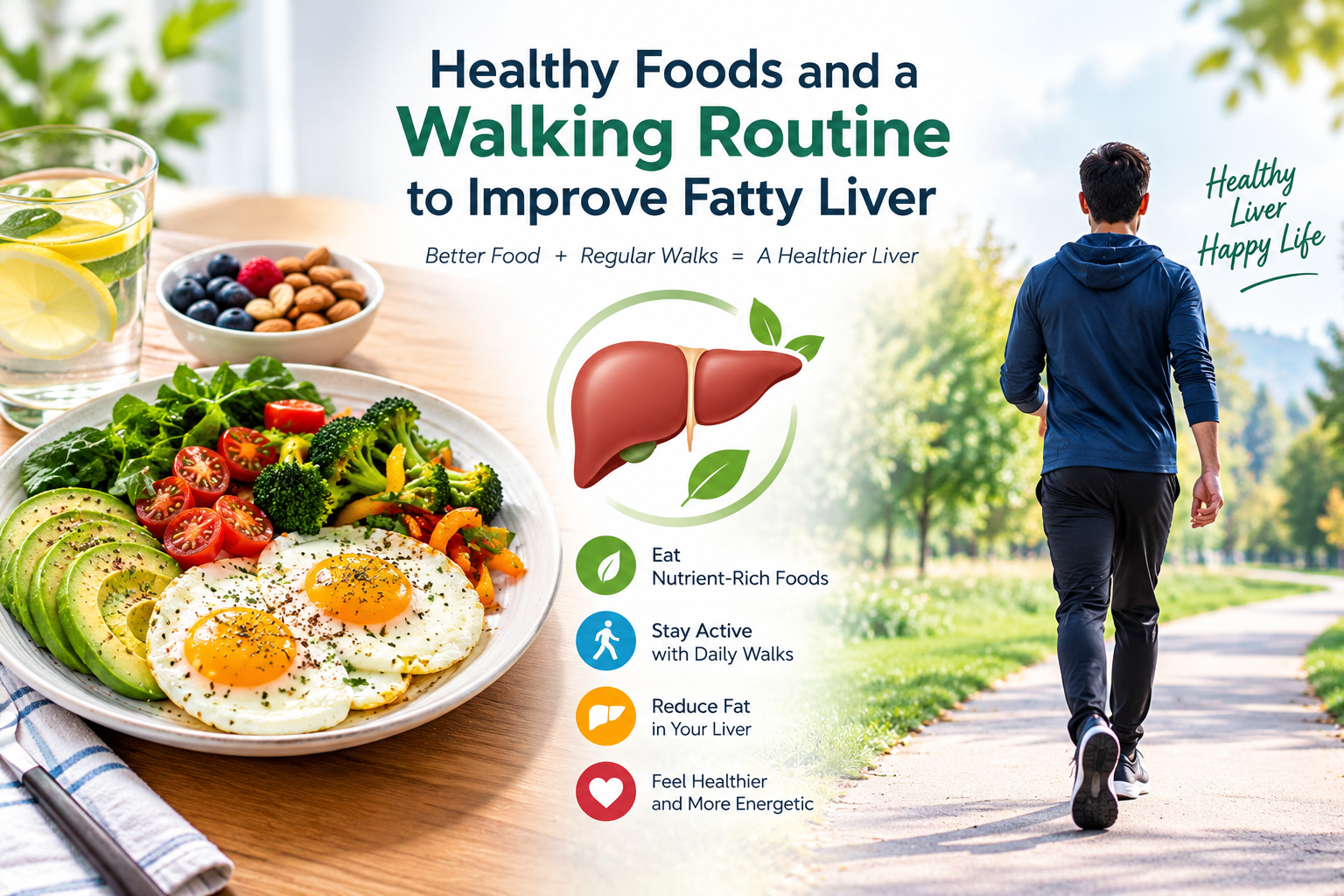
Fatty liver is very common, and many people only find out about it by chance, after an ultrasound or a blood test done for another reason. It means that extra fat has built up in the liver cells. In its early stage it often causes no symptoms and can be improved with lifestyle changes, but if it is ignored, it can slowly damage the liver. This guide explains the symptoms, causes, diagnosis and treatment of fatty liver in simple language.
Please note: This article is general information, not personal medical advice. Fatty liver should be diagnosed and followed up by a doctor. Please do not start herbal “liver cleanses” or supplements without medical advice. Read our Medical Disclaimer.
What Is Fatty Liver?
A healthy liver contains a small amount of fat. When fat makes up too much of the liver’s weight, the condition is called fatty liver, or hepatic steatosis. There are two main types:
Metabolic-Related (MASLD / NAFLD)
Not caused by alcohol. It is linked to excess weight, insulin resistance, diabetes and high cholesterol. It is the most common type.
Alcohol-Related
Caused by drinking too much alcohol over time.
Doctors have recently renamed the non-alcoholic type as MASLD (metabolic dysfunction-associated steatotic liver disease), though many people and reports still use the older name, NAFLD. In some people, fat in the liver leads to inflammation and scarring, which is called steatohepatitis (MASH or NASH).
Symptoms of Fatty Liver
Most people have no symptoms in the early stages. When symptoms do appear, they may include:
- Tiredness and weakness
- A dull ache or fullness in the upper right side of the stomach
- A slightly enlarged liver found by a doctor
- Dark skin patches on the neck or armpits, often linked to insulin resistance
These signs are not specific to fatty liver, and many other conditions cause them too. That is why a check-up and tests matter.
Common Causes and Risk Factors
- Being overweight, especially with extra fat around the waist
- Type 2 diabetes or prediabetes, and insulin resistance
- High cholesterol or high triglycerides
- High blood pressure
- A diet high in sugar, sweet drinks, refined carbohydrates and fried foods
- Lack of physical activity
- Heavy alcohol use
- Rapid weight loss or crash dieting, and some medicines, in certain cases
- Polycystic ovary syndrome (PCOS), underactive thyroid and sleep apnoea
- Family history
Fatty liver can also occur in people who are not overweight, so a normal weight does not guarantee a healthy liver. Related reading: PCOS: symptoms, causes and lifestyle tips and how to lower high cholesterol.
How Is Fatty Liver Diagnosed?
| Test | What It Shows |
|---|---|
| Blood tests (liver function tests) | Liver enzymes such as ALT and AST, which may be raised, though they can be normal in fatty liver |
| Ultrasound scan | Fat in the liver, the most common first test |
| Elastography (such as FibroScan) | Stiffness of the liver, which suggests scarring |
| Other blood tests | Blood sugar, cholesterol, and tests to rule out hepatitis B, hepatitis C and other causes |
| Liver biopsy (rarely) | A small sample of the liver, only when other tests are unclear |
Treatment: What Really Works
There is no single pill that cures fatty liver for everyone. The most effective treatment is lifestyle change, and the earlier you start, the better the liver can recover.
1. Lose Weight Gradually
If you are overweight, losing about 5 to 10 percent of your body weight can reduce liver fat, and a larger loss can also improve inflammation and scarring. Aim for steady loss, about 0.5 to 1 kg a week. Crash diets and very rapid weight loss are not safe for the liver. See our weight loss diet plan for beginners.
2. Eat a Liver-Friendly Diet
A Mediterranean-style way of eating, with plenty of vegetables, pulses, whole grains, fish and healthy oils, is the best-supported pattern. The table below shows simple choices:
| Choose More | Limit or Avoid |
|---|---|
| Vegetables, salad and fruit (whole fruit) | Soft drinks, packaged juice and sweetened drinks |
| Daal, chickpeas, beans and lentils | Sweets, cakes, biscuits and bakery items |
| Whole wheat roti, oats, daliya, brown rice | White bread, large portions of white rice and naan |
| Fish, eggs, chicken and low-fat dairy | Fried foods such as samosas, pakoras and puri |
| Nuts and seeds in small portions | Vanaspati, and large amounts of ghee and butter |
| Olive, canola or sunflower oil in small amounts | Processed meats and fast food |
| Water, plain tea or coffee without sugar | Sugar in chai, and sweet lassi |
See also our guide to how much water to drink daily.
3. Be Active
Aim for about 150 minutes of moderate activity a week, such as brisk walking, plus some muscle-strengthening exercise on 2 days. Exercise can reduce liver fat even if you do not lose much weight. Start with our home workouts without equipment.
4. Avoid Alcohol, or Limit It as Your Doctor Advises
Alcohol can add to liver damage. People with fatty liver, especially with scarring, are usually advised to avoid alcohol completely. Ask your doctor what is safe for you.
5. Control Diabetes, Cholesterol and Blood Pressure
Taking your medicines regularly and keeping blood sugar, cholesterol and blood pressure under control protects both your liver and heart. In fact, people with fatty liver are more likely to die from heart disease than from liver disease.
6. Be Careful with Medicines and Supplements
Some medicines and herbal products can harm the liver. Do not take painkillers, herbal “liver tonics”, weight-loss pills or supplements without asking a doctor or pharmacist. Never stop prescribed medicines on your own.
7. Get Vaccinated
If you have liver disease, hepatitis A and hepatitis B vaccines are often recommended. Ask your doctor.
8. Medical Treatment, When Needed
For people with inflammation or advanced scarring, doctors may use medicines, treat related conditions such as diabetes, or refer to a liver specialist (hepatologist). New treatments are being developed, and your doctor will decide which is suitable.
Myths About Fatty Liver
| Myth | Fact |
|---|---|
| Only people who drink alcohol get fatty liver | The most common type is not caused by alcohol. |
| Thin people cannot have fatty liver | It can occur in people of normal weight too. |
| A detox drink or herbal cleanse will clean the liver | No proven detox exists. Lifestyle changes work, and some herbal products can harm the liver. |
| If I feel fine, my liver is fine | Early fatty liver rarely causes symptoms. |
| Fatty liver cannot be reversed | In the early stages it often improves a lot with weight loss, diet and exercise. |
Possible Complications
If fatty liver is not managed, in some people it can progress to inflammation, scarring (fibrosis), cirrhosis and, rarely, liver cancer or liver failure. It is also linked to a higher risk of type 2 diabetes and heart disease. This is why regular check-ups are important.
A Simple Weekly Routine to Help Your Liver
- Swap sugary drinks for water or plain tea, every day.
- Fill half your plate with vegetables at lunch and dinner, and choose daal or beans for protein.
- Walk for 30 minutes on most days of the week.
- Cook with less oil, and choose baking, boiling or grilling instead of deep frying.
- Check your weight once a week and your blood sugar and cholesterol as your doctor advises.
When to See a Doctor
Get urgent medical help if you have yellowing of the skin or eyes (jaundice), vomiting blood, black or bloody stools, severe stomach pain, a rapidly swelling belly, or confusion or extreme drowsiness. These can be signs of serious liver problems.
Please see a doctor if:
- An ultrasound or blood test shows fatty liver or raised liver enzymes
- You have diabetes, high cholesterol, high blood pressure or PCOS and have never had your liver checked
- You have ongoing tiredness, pain in the upper right belly, or dark urine
- You have swelling in your legs, easy bruising or itchy skin
- You drink alcohol regularly and are worried about your liver
Frequently Asked Questions
Can fatty liver be cured?
In the early stages, fatty liver can often be reversed with weight loss, a healthy diet and exercise. Once scarring is advanced, it may not fully reverse, but progress can often be slowed.
How long does it take to improve fatty liver?
Many people see improvement in liver fat within a few months of consistent lifestyle changes. Your doctor will repeat tests to check your progress.
Is fatty liver dangerous?
Simple fatty liver is often harmless at first, but in some people it progresses to inflammation, scarring and cirrhosis. That is why it should not be ignored.
Can I drink tea and coffee with fatty liver?
Yes, in moderation and without much sugar. Some studies suggest coffee may be linked to a lower risk of liver damage, but it is not a treatment.
Do I need to avoid all fat in my food?
No. Avoid fried foods and saturated fat from fatty meat, ghee and vanaspati in large amounts, but a small amount of healthy fats from nuts, fish and plant oils is part of a healthy diet.
Conclusion
Fatty liver is common, quiet and often reversible. The most powerful treatments are gradual weight loss, a diet low in sugar and fried food, regular activity, no alcohol and good control of diabetes and cholesterol. Avoid unproven “detox” products, and follow up with your doctor regularly. For more conditions explained in simple language, visit our Conditions & Treatments section.
Trusted sources for further reading
Last updated: October 2026. This article has not been medically reviewed.