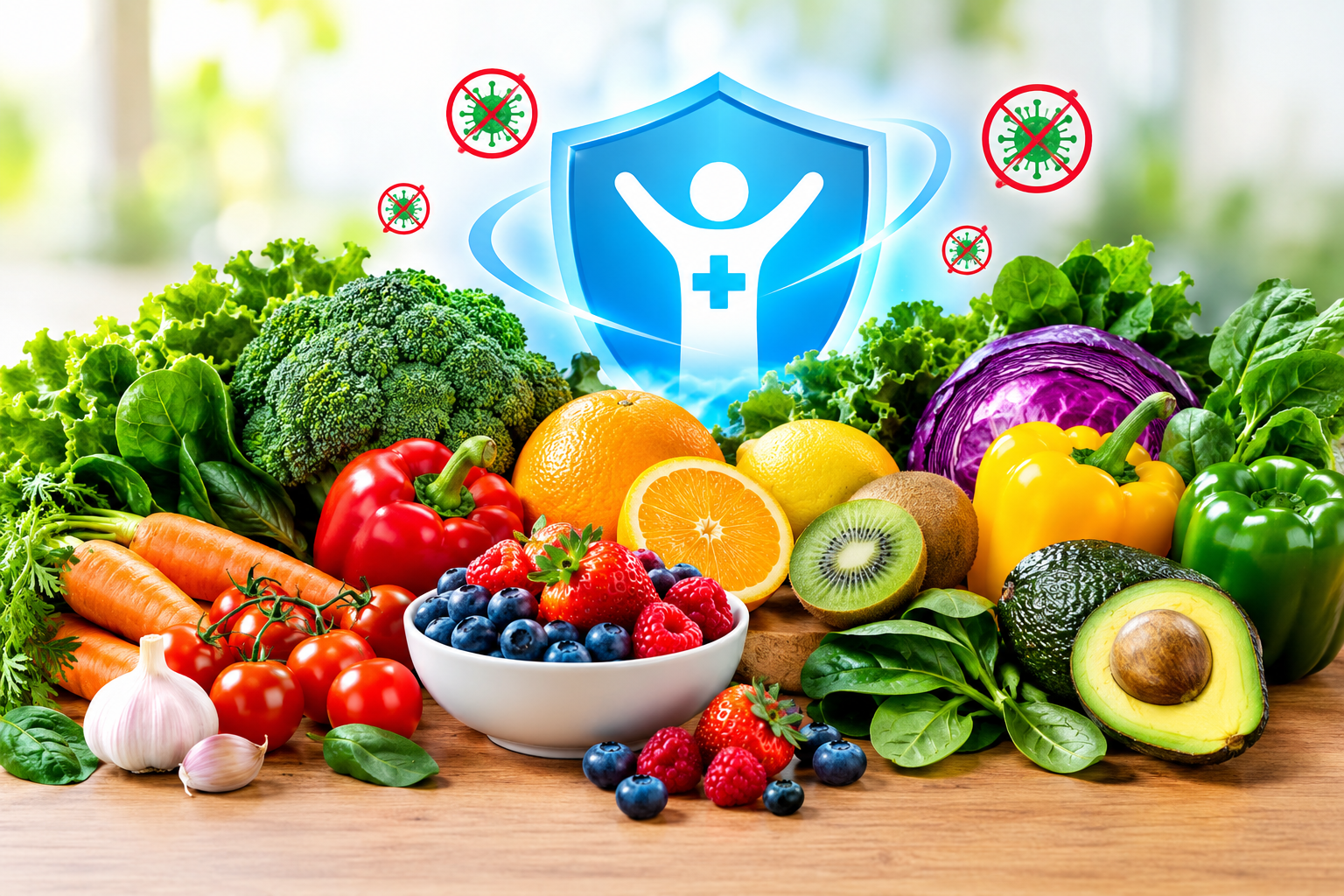
Many people search for a quick way to “boost” their immunity, especially in the cold and flu season. The truth is that your immune system is not a switch that you can turn up with one food or one pill. It works best when your whole lifestyle supports it. The good news is that simple daily habits really do help your body defend itself. This guide shares 10 evidence-based ways to support your immune system naturally, and clears up some common myths.
Please note: This article is general information, not personal medical advice. If you have a long-term condition, take regular medicines or have a weak immune system, speak to your doctor before changing your diet or taking supplements. Read our Medical Disclaimer.
What Does “Immunity” Mean?
Your immune system is a network of cells, tissues and organs that protect you from germs such as viruses and bacteria. A healthy immune system is balanced: strong enough to fight infection, but not so active that it harms the body. That is why the aim is to support your immunity with healthy habits, not to push it to extremes.
10 Natural Ways to Support Your Immune System
1. Eat a Balanced, Varied Diet
No single food protects you from illness. Your body gets what it needs from a variety of vegetables, fruit, whole grains, pulses, nuts, dairy or alternatives, and lean protein. Aim to fill half your plate with vegetables and fruit of different colours. Read our Nutrition & Dietetics section for more ideas.
2. Get Enough Vitamin C from Food
Vitamin C supports normal immune function. Good sources include citrus fruits such as oranges, kinnow and lemon, as well as guava, amla, strawberries, tomatoes and peppers. Getting it from food is better than relying on tablets.
3. Include Protein and Zinc-Rich Foods
Immune cells are made from protein, and zinc and iron help them work well. Eggs, lentils, beans, chickpeas, chicken, fish, meat, nuts and seeds all help. Vegetarians should pay extra attention to pulses, nuts and seeds.
4. Get Enough Sleep
Poor sleep is linked to getting sick more easily. Most adults need at least 7 hours a night, and children and teenagers need more. Keep a regular bedtime, avoid screens before sleep and keep your room dark and cool.
5. Be Active Regularly
Moderate exercise, like brisk walking, supports your immune system and helps your heart, mood and weight. Aim for about 150 minutes a week. See our guide to home workouts without equipment if you are just starting.
6. Manage Stress
Long-term stress can lower your body’s defences and affect sleep and eating. Try walking, slow breathing, time with family and quiet time. Read more in our guide on how to reduce stress.
7. Get Safe Sunlight and Check Vitamin D
Vitamin D plays a role in immune health, and your skin makes it when it is exposed to sunlight. Short, regular time outdoors, taking care to avoid sunburn, can help. Vitamin D deficiency is common, so ask your doctor about a blood test and treatment if you are at risk, rather than taking high-dose supplements on your own.
8. Keep Up with Recommended Vaccines
Vaccines are one of the most effective ways to protect yourself and your family from serious infections. Make sure children receive their routine immunisations on time, and ask your doctor which vaccines, such as the yearly flu vaccine, are recommended for you.
9. Wash Your Hands and Practise Good Hygiene
Washing your hands with soap and water for at least 20 seconds, especially before eating and after using the toilet, is one of the simplest ways to avoid infection. Cover coughs and sneezes and avoid close contact with people who are unwell.
10. Avoid Smoking and Limit Alcohol
Smoking damages the lungs and makes infections like bronchitis and pneumonia more likely. Heavy drinking also weakens the body’s defences. If you smoke, ask your doctor for help to quit.
Immunity Myths and Facts
| Myth | Fact |
|---|---|
| One “superfood” or juice can boost immunity | No single food does this. A varied diet over time matters. |
| Taking lots of vitamin C stops colds | Regular vitamin C does not prevent colds in most people, and high doses can cause stomach problems. |
| More supplements mean stronger immunity | Extra vitamins do not help if you are not deficient, and some can be harmful in large amounts. |
| Cold weather or wet hair gives you a cold | Colds are caused by viruses, not by cold air, although viruses spread more easily when people crowd indoors. |
| Antibiotics help colds and flu | Antibiotics do not work on viruses. |
A Simple Daily Routine for Better Immunity
- Start the day with a proper breakfast that includes protein, such as eggs or yoghurt, and some fruit.
- Fill half of lunch and dinner with vegetables, and add pulses or another protein.
- Move for 30 minutes, for example a brisk walk, on most days.
- Wash your hands before meals and after coming home.
- Switch off screens and go to bed at the same time every night.
Be Careful with “Immunity Booster” Products
Many products, powders, drinks and herbal remedies are sold with the promise of boosting immunity, often with no proof. Some can interact with medicines or be unsafe for pregnant women, children and people with kidney or liver problems. Before buying any supplement, ask a doctor or pharmacist. Avoid any product that promises to cure or prevent serious diseases.
When to See a Doctor
Get urgent medical help if you or your child has difficulty breathing, a very high or persistent fever, confusion, a stiff neck with severe headache, a rash that does not fade when pressed, or cannot keep fluids down.
Speak to a doctor if:
- You get infections very often, or they are severe or take a long time to clear
- You have unexplained weight loss, night sweats or constant tiredness
- You have a long-term condition such as diabetes, HIV, cancer or kidney disease, or take medicines that weaken immunity
- You are unsure which vaccines you or your children need
Frequently Asked Questions
How can I boost my immune system quickly?
There is no instant fix. Getting enough sleep, eating well, staying active, handling stress and keeping vaccinations up to date support your immune system over time.
Do vitamin supplements improve immunity?
They help only if you are deficient in a vitamin or mineral. If you eat a balanced diet, extra supplements usually add little benefit. Ask a doctor before starting them.
Does exercise weaken immunity?
Regular moderate exercise supports immunity. Very intense exercise without enough rest can temporarily lower it, so build up gradually and rest well.
Are children’s immune systems different from adults’?
Children’s immune systems are still developing, which is why they catch more colds. Routine vaccinations, good nutrition, sleep and handwashing help protect them.
Conclusion
You cannot “boost” immunity overnight, but you can support it every day. Eat a varied diet, sleep well, move regularly, manage stress, keep vaccinations up to date, wash your hands and avoid smoking. Be careful with products that promise miracle results, and speak to a doctor if you are getting sick often. Small habits, kept up over months, matter far more than quick fixes.
Trusted sources for further reading
Last updated: October 2026. This article has not been medically reviewed.