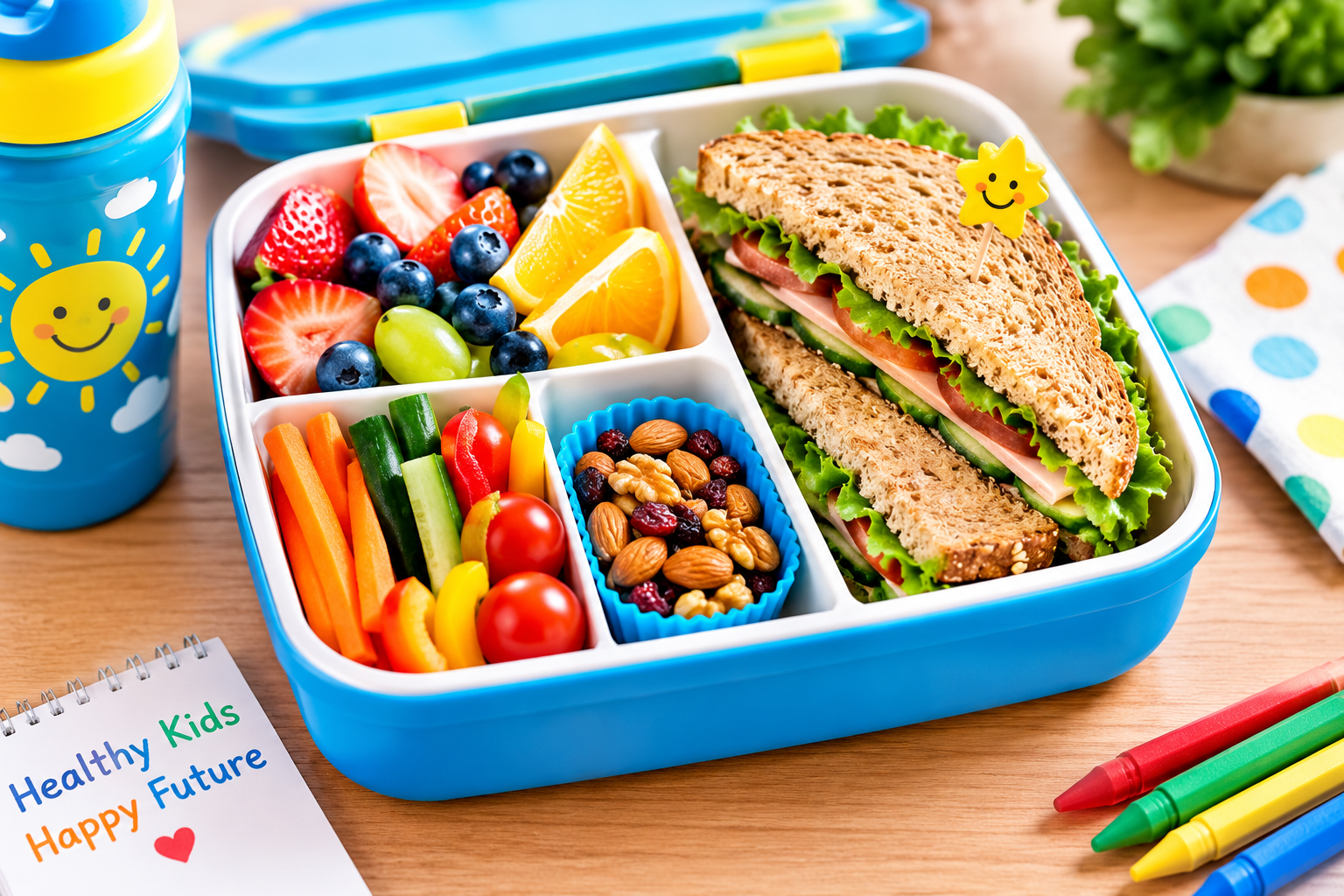
What children eat shapes their growth, energy, learning and long-term health. But many parents worry: my child is a fussy eater, loves chips and sweets, or refuses vegetables. The good news is that healthy eating does not have to be complicated. This guide explains which foods children need, gives a sample day of meals, and shares practical tips for picky eaters.
Please note: This article is general information for healthy children, not personal medical advice. Babies under 12 months, children with allergies, medical conditions or growth concerns need advice from a doctor or paediatric dietitian. Read our Medical Disclaimer.
What Do Children Need to Eat?
A healthy child’s plate includes a mix of the following food groups every day:
Vegetables and Fruit
Fibre, vitamins and minerals. Offer different colours through the day.
Whole Grains
Roti, brown rice, oats and whole grain bread give lasting energy.
Protein
Eggs, lentils, beans, chicken, fish and meat help growth and repair.
Dairy or Alternatives
Milk, yoghurt and cheese provide calcium for strong bones and teeth.
Key Nutrients Growing Children Need
| Nutrient | Why It Matters | Good Food Sources |
|---|---|---|
| Iron | Supports energy, brain development and learning | Lentils, beans, eggs, meat, green leafy vegetables, fortified cereals |
| Calcium | Builds strong bones and teeth | Milk, yoghurt, cheese, small fish with edible bones |
| Vitamin D | Helps the body use calcium | Sunlight, eggs, oily fish, fortified foods |
| Fibre | Keeps digestion regular | Fruit, vegetables, pulses, whole grains |
| Protein | Growth and repair of the body | Eggs, dairy, lentils, chicken, fish, nuts (age-appropriate) |
Most children who eat a varied diet do not need vitamin or mineral supplements. Do not give supplements unless your doctor advises them.
A Sample Day of Healthy Meals
| Meal | Ideas |
|---|---|
| Breakfast | Egg omelette with a small whole wheat roti, or oats cooked in milk with chopped fruit |
| Mid-morning snack | Banana, apple slices or plain yoghurt |
| Lunch | Daal or chicken curry with roti or rice, and cucumber or carrot salad |
| Afternoon snack | Roasted chickpeas, a small cheese sandwich or a glass of milk |
| Dinner | Vegetable khichdi or vegetables with roti and a protein such as egg, fish or lentils |
Portions for young children are small. A child’s stomach is much smaller than an adult’s, so offer small servings and let them ask for more.
Foods and Drinks to Limit
- Sugary drinks such as soft drinks, packaged juice and sweet flavoured milk
- Chips, crisps and instant noodles, which are often high in salt and fat
- Sweets, chocolates, biscuits and bakery items as everyday snacks
- Fast food and deep-fried food, which are best kept as occasional treats
- Energy drinks, which are not suitable for children
- Tea and coffee, because caffeine is not recommended for young children
Treats do not need to be banned completely. Banning them can make them more exciting. Keep them occasional and serve them without making them a reward.
Choking Safety
Choking safety: Children under 5 can choke easily. Always supervise meals, make children sit while eating, and avoid giving whole nuts, whole grapes, popcorn, hard raw carrot or apple pieces, and hard sweets. Cut round foods like grapes lengthways into small pieces, and grate or cook hard vegetables until soft.
Tips for Picky Eaters
- Offer new foods many times. Children can need 10 or more tries before accepting a new food, so do not give up after one refusal.
- Eat together. Children copy what adults eat, so share family meals and eat the same foods.
- Do not force or bribe. Pressure and “finish your plate” rules often make mealtimes stressful. Using sweets as a reward teaches children to value them more.
- Involve your child. Let them wash vegetables, stir, choose a fruit at the market or help set the table.
- Make food fun. Cut food into shapes, serve colourful plates and give a small dip such as yoghurt or hummus.
- Keep a routine. Offer meals and snacks at regular times, and avoid constant grazing or filling up on milk and juice before meals.
- Switch off screens. Eating in front of a TV or phone makes it harder for children to notice when they are full.
Healthy Lunchbox Ideas
- Egg or chicken roll with cucumber slices
- Vegetable paratha made with little oil, with plain yoghurt
- Cheese sandwich on whole grain bread with fruit
- Boiled chickpea chaat with chopped tomato and cucumber
- Plain yoghurt with banana pieces
Add a bottle of water instead of juice or soft drinks.
Water, Milk and Other Drinks
Water is the best drink for children. Plain milk is a good source of calcium, but too much milk can reduce appetite for other foods, so keep it to a sensible amount as advised by your doctor. Limit juice, even when it is “100 percent fruit”, because it contains a lot of sugar and little fibre. Whole fruit is better.
When to See a Doctor
Get emergency help immediately if a child has difficulty breathing, swelling of the face, lips or tongue, repeated vomiting or collapse soon after eating, which can be signs of a serious allergic reaction. If a child is choking and cannot cough, cry or breathe, call emergency services.
Speak to a doctor or dietitian if:
- Your child is not gaining weight or growing as expected, or is losing weight
- Your child eats only a very small number of foods, or refuses whole food groups for a long time
- There are signs of anaemia, such as constant tiredness, pale skin or poor concentration
- Your child has frequent constipation, stomach pain or diarrhoea after eating
- You suspect a food allergy or intolerance
- Your child is overweight and you want a safe plan, not a strict diet
Frequently Asked Questions
How many meals should a child eat a day?
Most children do well with three meals and one to three small, healthy snacks, depending on age and appetite. Regular timing matters more than the exact number.
Does my child need to drink milk every day?
Dairy is a convenient source of calcium, but it is not the only one. Yoghurt, cheese and some other foods also provide calcium. Ask your doctor or dietitian if your child cannot have dairy.
Are vitamin supplements necessary for children?
Most children who eat a varied diet do not need them. Some may need vitamin D or iron, so check with your doctor before giving any supplement.
Is it okay for kids to eat junk food sometimes?
Yes, occasional treats are normal. The problem is when sugary and fried foods replace healthy meals most days. Keep treats small and occasional.
Should I put my child on a diet?
Children are still growing, so strict diets are not recommended unless a doctor advises one. Focus on healthy foods, regular meals, activity and good sleep for the whole family.
Conclusion
Healthy eating for kids is built on simple habits: regular meals, a variety of colourful foods, plenty of water, fewer sugary and fried snacks, and calm, pressure-free mealtimes. Be patient with fussy eaters and set a good example by eating healthy food yourself. If you are worried about your child’s growth or eating, talk to your doctor or a dietitian.
Trusted sources for further reading
Last updated: October 2026. This article has not been medically reviewed.