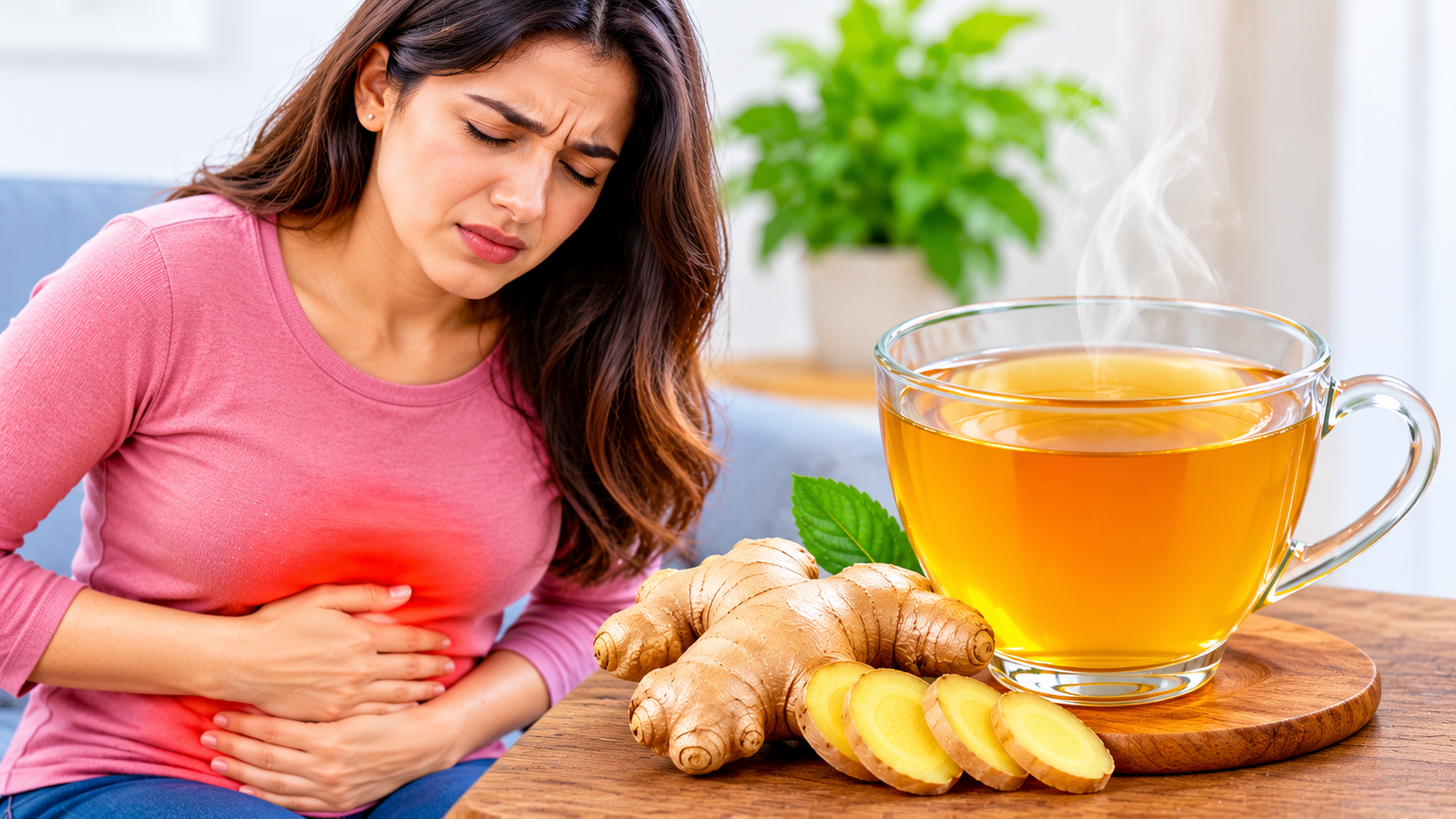
Stomach pain home remedies can bring comfort when you have a mild stomachache from indigestion, gas, acidity or an upset tummy. Most mild stomach pain is not serious and settles within a day or two. Simple steps at home, such as sipping ginger tea, eating bland food and resting, can ease it. But stomach pain can also be a sign of a more serious problem, so it is important to know which signs mean you need a doctor. This guide shares 9 safe ways to ease a stomachache, explains common causes, and lists the warning signs to watch for.
Please note: This article is general information, not personal medical advice. Home remedies are only for mild stomach pain. Severe, sudden or lasting pain needs a doctor. Babies, young children, pregnant women and older adults should see a doctor early. Read our Medical Disclaimer.
What Causes Stomach Pain?
Indigestion and Gas
Overeating, eating too fast, or fatty and spicy food can cause bloating and discomfort.
Acidity and Gastritis
Acid irritating the stomach lining causes a burning pain in the upper belly.
Stomach Infection
Food poisoning or a stomach bug can cause cramps, vomiting and diarrhoea.
Constipation
Hard stools and straining cause cramps and a heavy feeling. See our guide on constipation causes and relief.
Other causes include stomach ulcers, irritable bowel syndrome (IBS), lactose intolerance, period cramps, urine infections, gallstones, kidney stones and stress (see our guide on how to reduce stress). The place of the pain gives a clue, though it is not a diagnosis:
| Where It Hurts | Possible Causes |
|---|---|
| Upper middle belly | Indigestion, acidity, gastritis, ulcer |
| Upper right belly | Gallstones, liver or gallbladder problems |
| Lower right belly | Appendicitis, which needs urgent care |
| Lower belly in women | Period cramps, urine infection, other causes |
| All over the belly | Stomach bug, gas, constipation |
9 Stomach Pain Home Remedies
1. Rest and Stay Calm
Lie down or sit comfortably and rest. Stress can make stomach pain worse, so try slow, deep breathing for a few minutes.
2. Sip Ginger Tea
Ginger is one of the best-known stomach pain home remedies. Studies show it can help with nausea, and it may ease indigestion for some people. Slice a small piece of fresh ginger, simmer it in water for 5 to 10 minutes and sip it warm, plain or with a little honey. Keep it mild, because large amounts can cause heartburn or an upset stomach. Ask your doctor first if you take blood-thinning medicines or have gallstones, and check with your doctor in pregnancy before using ginger in large amounts.
3. Use a Warm Compress
Hold a warm (not hot) water bottle or a warm towel against your belly for 15 to 20 minutes. Warmth can relax the muscles and ease cramps. Wrap the bottle in cloth to avoid burns. Do not use heat if the pain is severe, sudden or in the lower right belly, and see a doctor instead.
4. Drink Clear Fluids Slowly
Take small, frequent sips of water, weak tea or clear soup. If you also have vomiting or diarrhoea, ask a pharmacist for oral rehydration salts (ORS) and mix them exactly as the packet says. See our guide on how much water to drink daily.
5. Eat Bland, Soft Foods
When you feel hungry again, choose plain foods that are easy to digest, such as banana, plain rice, boiled potato, toast, khichdi, oats and plain soup. Eat small portions, and return to your normal food gradually.
6. Try Peppermint Tea
Peppermint can relax the muscles of the gut and may help with gas, bloating and some cramps, especially in people with IBS. Avoid it if your pain feels like acid reflux or heartburn, because peppermint can make that worse.
7. Chew Fennel Seeds (Saunf) After Meals
Chewing half a teaspoon of fennel seeds after a meal is a traditional habit for gas and bloating. Evidence is limited, but it is a safe, simple habit for most adults. If you are pregnant, breastfeeding or have a medical condition, use only small food amounts and ask your doctor before using fennel as a remedy.
8. Try Plain Yoghurt
Plain yoghurt with live cultures may help settle the stomach after a stomach bug, and some people find it soothing. Avoid it if dairy usually upsets your stomach.
9. Eat Smaller Meals and Avoid Lying Down After Eating
Large meals put pressure on the stomach and can cause acid reflux. Eat smaller portions more often, eat slowly, and wait at least two to three hours after eating before lying down.
Quick Guide to Stomach Pain Home Remedies
| Remedy | Good For | Caution |
|---|---|---|
| Ginger tea | Nausea, indigestion | Too much can cause heartburn; ask a doctor on blood thinners or in pregnancy |
| Warm compress | Cramps | Avoid if pain is severe or lower right |
| Clear fluids and ORS | Dehydration with vomiting or diarrhoea | Mix ORS exactly as instructed |
| Bland foods | Recovering appetite | Return to normal food gradually |
| Peppermint tea | Gas, bloating | Avoid with acid reflux |
| Fennel seeds | Gas, bloating | Limited evidence |
| Plain yoghurt | Settling the stomach | Avoid if dairy upsets you |
What to Avoid
- Spicy, fatty and fried foods, and very sugary food, while your stomach is upset
- Tea, coffee, fizzy drinks and alcohol, which can irritate the stomach
- Painkillers such as ibuprofen and aspirin, which can irritate the stomach lining. Ask a pharmacist before taking any painkiller
- Laxatives, antacids or antibiotics without advice, especially if you do not know the cause
- Smoking and tobacco, which irritate the stomach and delay healing
- Heat on the belly if the pain is severe, sudden or on the lower right side
- Waiting too long when there are warning signs
When to See a Doctor
Get urgent medical help immediately if you have severe or sudden stomach pain, a hard, rigid or swollen belly, pain that moves to the lower right side, vomiting blood, black or bloody stools, a high fever, yellow skin or eyes, chest pain or difficulty breathing, or you cannot pass stool or gas and keep vomiting. If you are pregnant and have stomach pain with bleeding, severe pain or dizziness, seek help straight away.
Please also see a doctor if:
- The pain lasts more than 2 to 3 days, keeps coming back, or keeps getting worse
- You have repeated vomiting or diarrhoea, or signs of dehydration such as dark urine, a dry mouth and dizziness
- You are losing weight without trying, or have trouble swallowing
- You have burning pain or reflux that happens often, or pain at night
- You have pain when passing urine, or pain in the back and side
- A baby or young child has severe pain, cries a lot without comfort, has a fever, or has had no wet nappies for many hours
- You are over 50 and have new stomach symptoms
How to Prevent Stomach Pain
- Eat regular, smaller meals and chew food well.
- Choose safe food and clean water, wash hands before eating and cook food thoroughly.
- Limit spicy, fatty and fried food, and cut down on fizzy drinks.
- Add fibre and water to prevent constipation.
- Manage stress and sleep well, and avoid smoking.
Frequently Asked Questions
What is the fastest of the stomach pain home remedies?
For mild cramps and gas, a warm compress, sipping ginger or peppermint tea (when suitable) and resting often help within an hour or so. If the pain is strong or does not ease, see a doctor.
Does ginger really help stomach pain?
Ginger has some proof for easing nausea and indigestion, but it does not treat the cause of every kind of stomach pain. Use it as a comfort measure, in modest amounts.
Are stomach pain home remedies safe for children?
Fluids, rest and bland food are generally fine. Many herbs and medicines are not suitable for young children, so ask a doctor or pharmacist, and see a doctor early for babies and toddlers.
Can stress cause stomach pain?
Yes. Stress and anxiety can cause cramps, nausea and changes in bowel habits. Relaxation, activity and enough sleep help, but ongoing pain should still be checked.
When is stomach pain an emergency?
Sudden severe pain, a rigid belly, pain that moves to the lower right, blood in vomit or stools, high fever or trouble breathing are emergencies. Get medical help immediately.
Conclusion
Stomach pain home remedies such as ginger tea, a warm compress, clear fluids, bland foods and smaller meals can ease mild stomach pain and make you more comfortable. They are not a replacement for medical care. Watch for warning signs, avoid painkillers that irritate the stomach, and see a doctor if the pain is severe, lasts more than a few days or keeps coming back. For more safe, everyday remedies, visit our Home Remedies section.
Trusted sources for further reading
Last updated: October 2026. This article has not been medically reviewed.