High Blood Pressure: Causes, Risk Factors, and Prevention Strategies
Abstract
High blood pressure, medically known as hypertension, is one of the most prevalent and silent health conditions affecting millions of people worldwide. Often referred to as the “silent killer,” hypertension frequently presents no obvious symptoms until it has already caused significant damage to vital organs such as the heart, brain, kidneys, and blood vessels. This comprehensive article explores the causes, risk factors, and prevention strategies associated with high blood pressure. It aims to provide readers with a thorough understanding of this condition, its underlying mechanisms, and practical steps they can take to prevent or manage it effectively.
Introduction
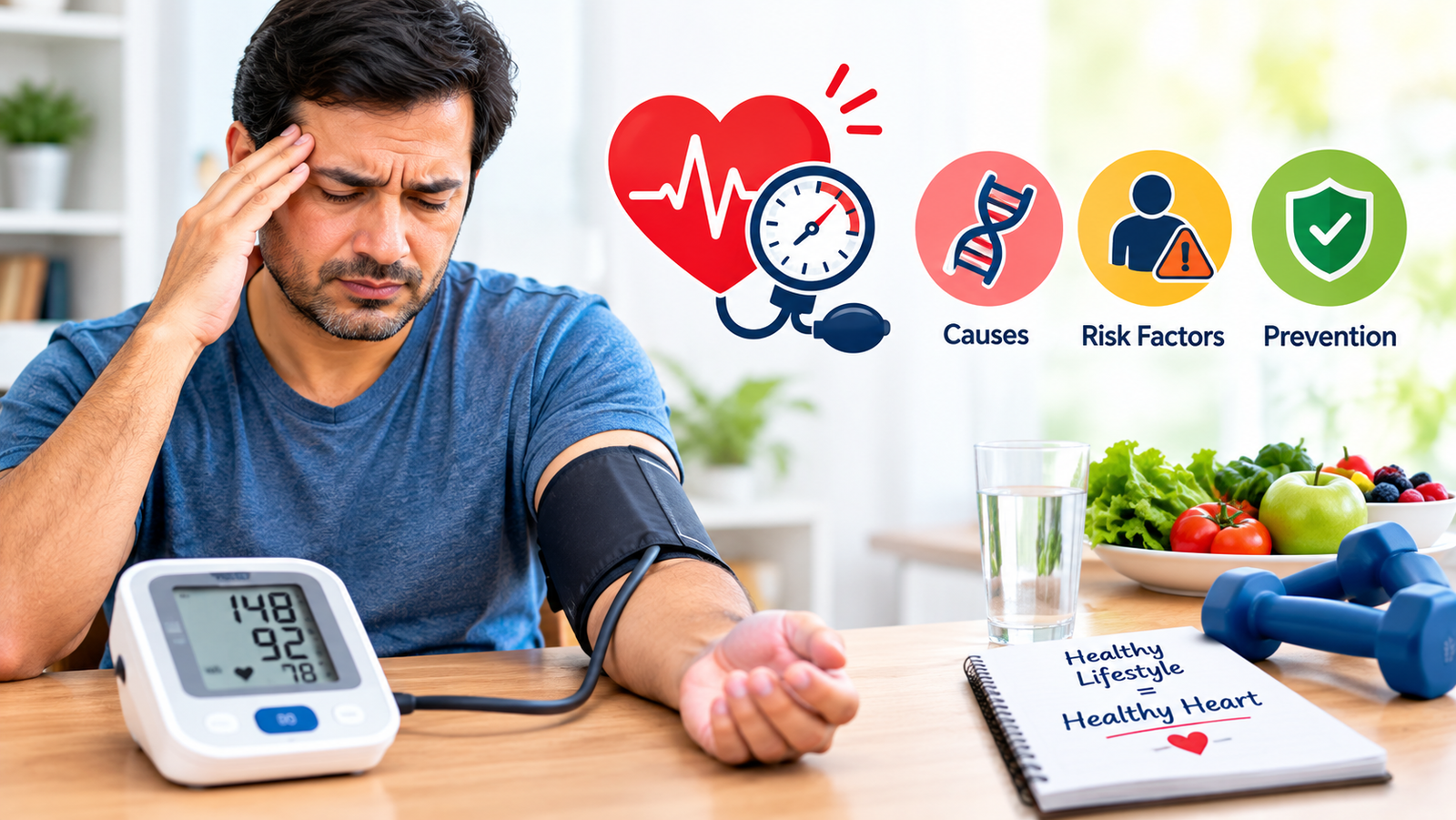
Blood pressure is the force exerted by circulating blood against the walls of the body’s arteries. It is measured in millimeters of mercury (mmHg) and recorded as two numbers: systolic pressure (the pressure when the heart beats) over diastolic pressure (the pressure when the heart rests between beats). A normal blood pressure reading is typically around 120/80 mmHg. When blood pressure consistently reads 130/80 mmHg or higher, a person is generally considered to have high blood pressure.
Hypertension is a global health concern. According to the World Health Organization (WHO), an estimated 1.28 billion adults aged 30–79 years worldwide have hypertension, and approximately two-thirds of them live in low- and middle-income countries. Despite being easily detectable and treatable, hypertension remains poorly controlled in many populations, contributing to millions of premature deaths each year.
Understanding high blood pressure is crucial because it is a major risk factor for cardiovascular diseases, including heart attack, stroke, heart failure, and kidney disease. This article delves into the causes, risk factors, and prevention strategies for hypertension, offering a comprehensive overview for readers seeking to protect their health.
What Is Blood Pressure?
Definition and Measurement
Blood pressure is the measurement of the force of blood pushing against the walls of the arteries as the heart pumps it throughout the body. It is expressed as two numbers:
- Systolic pressure: The top number, representing the pressure in the arteries when the heart beats.
- Diastolic pressure: The bottom number, representing the pressure in the arteries when the heart is at rest between beats.
Blood pressure is measured using a device called a sphygmomanometer, which can be manual or digital. The unit of measurement is millimeters of mercury (mmHg).
Normal Blood Pressure Ranges
According to the American Heart Association (AHA), blood pressure categories are as follows:
| Category | Systolic (mmHg) | Diastolic (mmHg) |
|---|---|---|
| Normal | Less than 120 | Less than 80 |
| Elevated | 120–129 | Less than 80 |
| Hypertension Stage 1 | 130–139 | 80–89 |
| Hypertension Stage 2 | 140 or higher | 90 or higher |
| Hypertensive Crisis | Higher than 180 | Higher than 120 |
The Importance of Regular Monitoring
Because hypertension often has no symptoms, regular monitoring is essential. People should have their blood pressure checked at least once a year, or more frequently if they have risk factors. Home blood pressure monitors are widely available and can help individuals track their readings between medical visits.
Causes of High Blood Pressure
Primary (Essential) Hypertension
Primary hypertension, also known as essential hypertension, accounts for about 90–95% of all cases. It develops gradually over many years, and there is no single identifiable cause. Instead, it results from a combination of genetic, environmental, and lifestyle factors.
Key contributors to primary hypertension include:
- Genetics: A family history of hypertension increases risk.
- Age: Blood pressure tends to rise with age due to stiffening of arteries.
- Lifestyle factors: Poor diet, lack of exercise, obesity, smoking, and excessive alcohol consumption.
- Stress: Chronic stress can contribute to elevated blood pressure.
- Hormonal changes: Fluctuations in hormones, such as those during menopause, can affect blood pressure.
Secondary Hypertension
Secondary hypertension is caused by an underlying condition or medication. It accounts for about 5–10% of cases and tends to appear suddenly and cause higher blood pressure than primary hypertension. Common causes include:
- Kidney disease: Damaged kidneys cannot filter blood properly, leading to fluid retention and increased blood pressure.
- Adrenal gland disorders: Conditions such as pheochromocytoma, Cushing’s syndrome, and hyperaldosteronism can cause hypertension.
- Thyroid disorders: Both hyperthyroidism and hypothyroidism can affect blood pressure.
- Sleep apnea: Obstructive sleep apnea is a common cause of secondary hypertension.
- Medications: Certain drugs, including birth control pills, decongestants, and nonsteroidal anti-inflammatory drugs (NSAIDs), can raise blood pressure.
- Illegal drugs: Cocaine, amphetamines, and other stimulants can cause severe hypertension.
The Role of Lifestyle
Lifestyle choices play a significant role in the development of hypertension. Poor dietary habits, physical inactivity, excessive alcohol consumption, and smoking are major contributors. Addressing these factors is essential for both prevention and management.
Risk Factors for High Blood Pressure
Modifiable Risk Factors
Modifiable risk factors are those that individuals can change or control. These include:
- Unhealthy diet: High intake of salt (sodium), saturated fats, and cholesterol can raise blood pressure.
- Physical inactivity: Lack of exercise contributes to obesity and cardiovascular problems.
- Obesity: Excess body weight increases the strain on the heart and arteries.
- Tobacco use: Smoking and secondhand smoke damage blood vessels and raise blood pressure.
- Excessive alcohol consumption: Drinking too much alcohol can increase blood pressure.
- Stress: Chronic stress can lead to unhealthy coping mechanisms and elevated blood pressure.
- Poor sleep: Sleep deprivation and sleep disorders like apnea can contribute to hypertension.
Non-Modifiable Risk Factors
Non-modifiable risk factors are those that cannot be changed. These include:
- Age: The risk of hypertension increases with age.
- Gender: Men are more likely to develop hypertension before age 55, while women are more likely after menopause.
- Family history: A family history of hypertension increases risk.
- Race and ethnicity: African Americans are at higher risk of developing hypertension earlier and experiencing more severe complications.
- Chronic kidney disease: Kidney disease can cause or worsen hypertension.
The Impact of Socioeconomic Factors
Socioeconomic factors such as income, education, and access to healthcare can influence the risk of hypertension. People with lower socioeconomic status may face barriers to healthy food, safe places to exercise, and quality healthcare, increasing their risk.
Complications of High Blood Pressure
Cardiovascular Complications
Hypertension is a major risk factor for:
- Heart attack: High blood pressure can damage arteries, leading to plaque buildup and reduced blood flow to the heart.
- Stroke: Hypertension can cause blood vessels in the brain to burst or become blocked.
- Heart failure: The heart must work harder to pump blood against high pressure, leading to enlargement and eventual failure.
- Peripheral artery disease: Narrowed arteries reduce blood flow to the limbs.
Kidney Complications
High blood pressure can damage the kidneys, leading to chronic kidney disease and kidney failure. Hypertension is the second leading cause of kidney failure in the United States.
Eye Complications
Hypertension can damage the blood vessels in the eyes, leading to retinopathy, vision loss, and blindness.
Cognitive Decline
Studies suggest that high blood pressure is associated with cognitive decline and an increased risk of dementia, including Alzheimer’s disease.
Sexual Dysfunction
Hypertension can affect sexual function in both men and women. In men, it can lead to erectile dysfunction; in women, it can reduce libido and cause vaginal dryness.
Prevention of High Blood Pressure
Dietary Changes
A healthy diet is one of the most effective ways to prevent and manage hypertension. Key dietary recommendations include:
- Reduce sodium intake: Limit salt to less than 5 grams per day (about one teaspoon). Avoid processed foods, canned soups, and salty snacks.
- Increase potassium intake: Potassium helps balance sodium levels. Good sources include bananas, oranges, potatoes, spinach, and beans.
- Follow the DASH diet: The Dietary Approaches to Stop Hypertension (DASH) diet emphasizes fruits, vegetables, whole grains, lean proteins, and low-fat dairy.
- Limit saturated and trans fats: Choose healthy fats like olive oil, avocados, and nuts.
- Moderate alcohol consumption: Limit to no more than one drink per day for women and two for men.
Physical Activity
Regular physical activity helps lower blood pressure and maintain a healthy weight. Recommendations include:
- Aerobic exercise: At least 150 minutes of moderate-intensity aerobic activity per week, such as brisk walking, swimming, or cycling.
- Strength training: Incorporate muscle-strengthening activities at least twice a week.
- Reduce sedentary time: Break up long periods of sitting with short walks or stretches.
Weight Management
Maintaining a healthy weight is crucial for preventing hypertension. Losing even a small amount of weight can significantly reduce blood pressure. A body mass index (BMI) between 18.5 and 24.9 is considered healthy.
Stress Management
Chronic stress can contribute to hypertension. Effective stress management techniques include:
- Mindfulness and meditation: Practices like deep breathing, yoga, and meditation can lower stress.
- Regular relaxation: Engage in hobbies, spend time with loved ones, and take breaks.
- Adequate sleep: Aim for 7–9 hours of quality sleep per night.
- Seek support: Talk to friends, family, or a mental health professional if needed.
Avoidance of Tobacco and Excessive Alcohol
- Quit smoking: Smoking cessation lowers blood pressure and reduces the risk of cardiovascular disease.
- Limit alcohol: Excessive drinking raises blood pressure. Moderation is key.
Regular Health Checkups
Regular checkups allow for early detection and management of hypertension. Monitor blood pressure at home and follow up with healthcare providers.
Diagnosis and Treatment
Diagnosis
Hypertension is diagnosed through repeated blood pressure measurements. A single high reading does not necessarily mean hypertension. Doctors may use:
- Ambulatory monitoring: A portable device measures blood pressure over 24 hours.
- Home monitoring: Patients record blood pressure at home.
- Lab tests: Blood and urine tests to check for underlying conditions.
Treatment Options
Treatment for hypertension includes lifestyle changes and medication. Common classes of antihypertensive drugs include:
- Diuretics: Help the body eliminate excess sodium and water.
- ACE inhibitors: Relax blood vessels by blocking the formation of angiotensin II.
- Angiotensin II receptor blockers (ARBs): Block the action of angiotensin II.
- Calcium channel blockers: Relax blood vessels by preventing calcium from entering cells.
- Beta-blockers: Reduce heart rate and output.
- Alpha-blockers: Relax blood vessels.
- Vasodilators: Directly relax blood vessel walls.
The Importance of Adherence
Adherence to prescribed medication and lifestyle changes is critical for managing hypertension. Patients should take medications as directed and attend regular follow-up appointments.
Living with High Blood Pressure
Lifestyle Adjustments
Living with hypertension requires ongoing commitment to healthy habits. This includes:
- Eating a balanced diet
- Exercising regularly
- Managing stress
- Taking medications as prescribed
- Monitoring blood pressure at home
Support Systems
Family, friends, and healthcare providers play a vital role in supporting individuals with hypertension. Support groups and community programs can provide encouragement and resources.
Coping with Complications
If complications arise, such as heart disease or kidney problems, additional medical care and lifestyle adjustments may be necessary. Regular communication with healthcare providers is essential.
Global Perspectives on Hypertension
Prevalence Worldwide
Hypertension affects over a billion people globally. Low- and middle-income countries bear a disproportionate burden, with limited access to diagnosis and treatment.
Public Health Initiatives
Governments and organizations are implementing strategies to combat hypertension, including:
- Screening programs
- Public awareness campaigns
- Policy changes to reduce sodium in processed foods
- Improved access to affordable medications
The Role of Technology
Telemedicine, mobile health apps, and wearable devices are increasingly used to monitor and manage hypertension, especially in remote areas.
Research and Future Directions
Advances in Treatment
Ongoing research aims to develop new medications and therapies for hypertension, including gene therapy and novel drug targets.
Precision Medicine
Precision medicine approaches tailor treatment based on individual genetic, environmental, and lifestyle factors, improving outcomes.
Prevention Strategies
Public health efforts focus on prevention through education, policy changes, and community programs.
Conclusion
High blood pressure is a significant global health challenge that affects millions of people. While it often presents no symptoms, its consequences can be devastating, leading to heart disease, stroke, kidney failure, and other serious conditions. However, hypertension is both preventable and manageable. By understanding the causes, recognizing risk factors, and adopting healthy lifestyle choices, individuals can significantly reduce their risk and improve their overall health.
Prevention is key. A balanced diet, regular exercise, weight management, stress reduction, and avoidance of tobacco and excessive alcohol are essential steps. Regular monitoring and adherence to treatment are equally important for those diagnosed with hypertension.
As research continues and public health efforts expand, there is hope for better prevention, diagnosis, and treatment of hypertension worldwide. By taking proactive steps, individuals and communities can combat this silent killer and lead healthier, longer lives.
References
- World Health Organization. (2023). Hypertension.
- American Heart Association. (2023). Understanding Blood Pressure Readings.
- Centers for Disease Control and Prevention. (2023). High Blood Pressure.
- National Heart, Lung, and Blood Institute. (2023). High Blood Pressure.
- Mayo Clinic. (2023). High Blood Pressure (Hypertension).
- Harvard Health Publishing. (2023). Hypertension.
- Journal of the American Medical Association. (2022). Hypertension Guidelines.
- The Lancet. (2021). Global Burden of Hypertension.
Glossary
- Hypertension: High blood pressure.
- Systolic pressure: The pressure in arteries when the heart beats.
- Diastolic pressure: The pressure in arteries when the heart rests.
- Sphygmomanometer: A device used to measure blood pressure.
- DASH diet: Dietary Approaches to Stop Hypertension.
- BMI: Body Mass Index.
- ACE inhibitors: A class of medications used to treat hypertension.
- ARBs: Angiotensin II receptor blockers.
- Diuretics: Medications that help eliminate excess sodium and water.
- Retinopathy: Damage to the blood vessels in the retina.
Appendix: Sample Blood Pressure Log
| Date | Time | Systolic | Diastolic | Notes |
|---|---|---|---|---|
About the Author
This article was compiled to provide a comprehensive overview of high blood pressure, its causes, risk factors, and prevention strategies. It is intended for educational purposes and should not replace professional medical advice. Readers are encouraged to consult healthcare providers for personalized guidance.
Disclaimer
This article is for informational purposes only and does not constitute medical advice. Always consult a qualified healthcare professional for diagnosis and treatment.