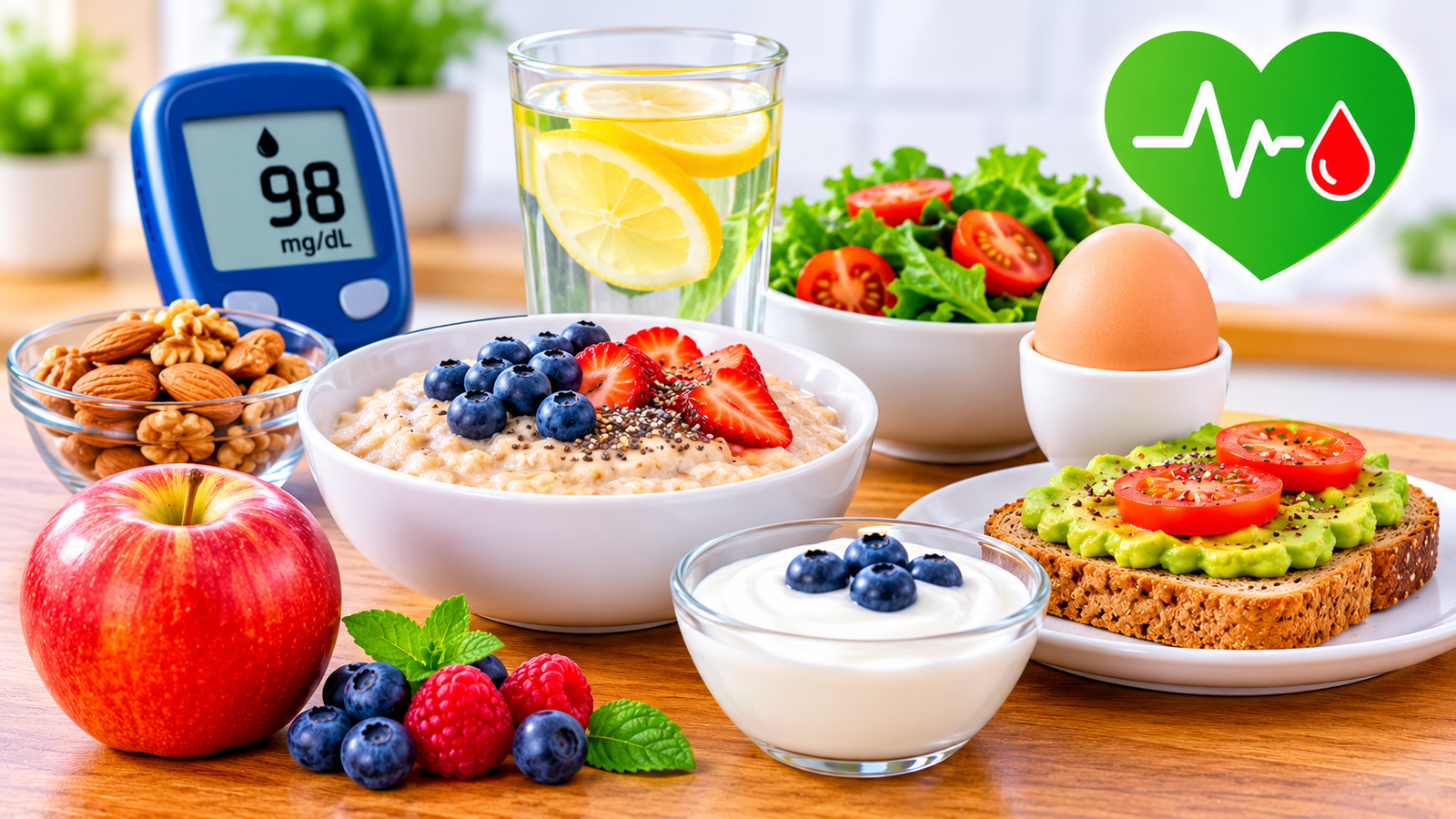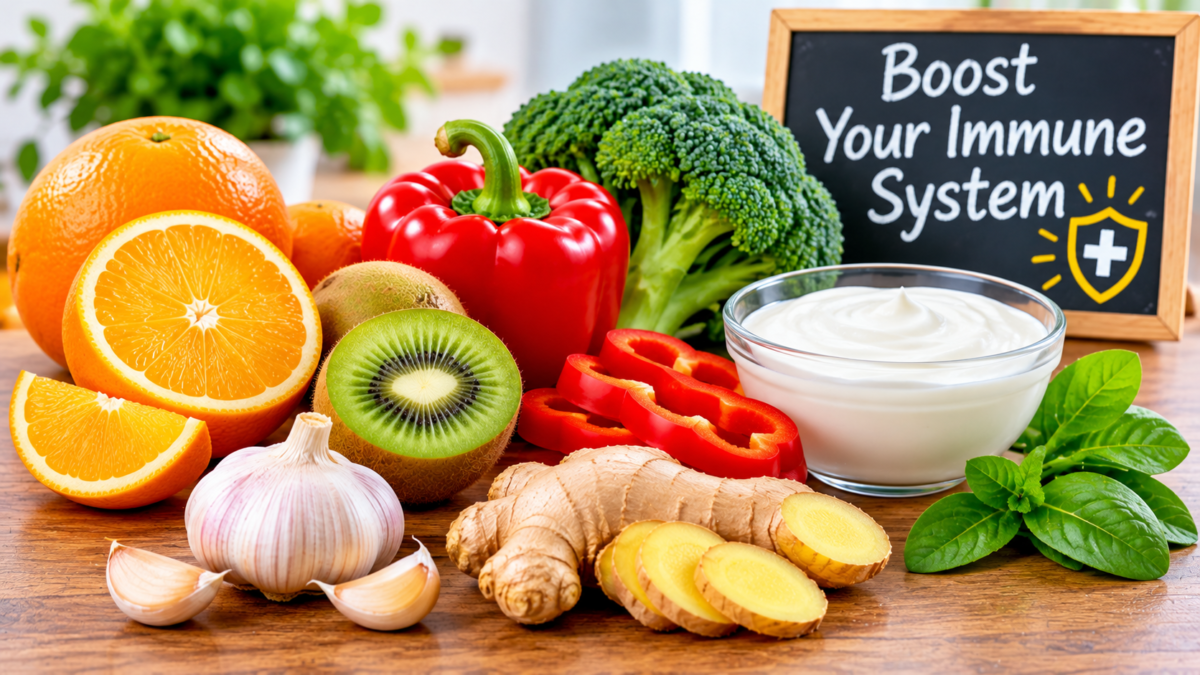
Looking for foods that boost immune system health during cold and flu season? You are not alone. Every winter, millions of people in the United States, the United Kingdom and Canada look for simple ways to stay well. While no single food can stop you from ever getting sick, eating the right foods every day gives your immune system the vitamins and minerals it needs to work properly. The best foods that boost immune system function are everyday, affordable foods you can find in any supermarket.
In this guide you will discover the 15 best foods that boost immune system defences, the key nutrients they contain, a simple one-day meal plan, foods to limit, and other healthy habits that help your body fight infections.
Key Takeaways
- Your immune system needs a steady supply of nutrients such as vitamin C, vitamin D, zinc, vitamin A, vitamin E, selenium and protein.
- The best foods that boost immune system health include citrus fruits, red peppers, broccoli, yogurt, oily fish, garlic, nuts, seeds, beans and leafy greens.
- A varied, colourful diet works better than any single “superfood”.
- Sleep, exercise, stress control and not smoking matter just as much as food.
- Most healthy people do not need high-dose supplements, apart from vitamin D in winter for many people.
How Does Food Affect Your Immune System?
Your immune system is a network of cells, tissues and organs that protects you from germs such as viruses and bacteria. To do this job well, immune cells need energy and nutrients. When your diet is low in key vitamins and minerals, your immune system may not work as well, and you may get ill more often or take longer to recover.
This is why experts talk about foods that support, rather than “supercharge”, the immune system. Eating foods that boost immune system function means making sure your body is never short of what it needs. A healthy gut also plays a big part, because a large share of the body’s immune cells are found in and around the gut.
Key Nutrients Your Immune System Needs
| Nutrient | What it does | Best food sources |
|---|---|---|
| Vitamin C | Helps immune cells work and protects cells from damage | Citrus fruits, red peppers, kiwi, strawberries, broccoli |
| Vitamin D | Helps the immune system respond to germs | Oily fish, eggs, fortified foods, sunlight |
| Zinc | Needed to make and activate immune cells | Shellfish, meat, beans, nuts, seeds |
| Vitamin A | Keeps the lining of the nose, gut and lungs healthy | Sweet potatoes, carrots, spinach, eggs |
| Vitamin E | Protects immune cells from damage | Almonds, sunflower seeds, vegetable oils |
| Selenium | Supports the body’s natural defences | Brazil nuts, fish, eggs, wholegrains |
| Protein | The building block of immune cells and antibodies | Chicken, fish, eggs, beans, lentils, tofu |
| Probiotics and fibre | Support healthy gut bacteria | Yogurt, kefir, beans, oats, vegetables |
15 Best Foods That Boost Immune System Health
Here are 15 of the best foods that boost immune system defences, all easy to add to your daily meals.
1. Citrus Fruits
Oranges, grapefruits, lemons, limes and clementines are rich in vitamin C. One medium orange gives you most of an adult’s daily vitamin C needs. Citrus fruits are cheap, easy to carry and perfect as a snack.
2. Red Bell Peppers
Red peppers contain even more vitamin C than oranges, gram for gram. They are also a good source of beta-carotene, which the body turns into vitamin A. Add them raw to salads or roast them with other vegetables.
3. Broccoli
Broccoli is packed with vitamins C, A and E, fibre and helpful plant compounds. To keep the most nutrients, steam it lightly or eat it raw rather than boiling it for a long time.
4. Kiwi Fruit
One kiwi provides a large amount of vitamin C, plus fibre, folate and potassium. Kiwis are a sweet and easy way to add more immune-supporting nutrients to breakfast.
5. Strawberries and Other Berries
Strawberries, blueberries, raspberries and blackberries are rich in vitamin C and antioxidants called polyphenols. Frozen berries are just as nutritious as fresh ones and cost less in winter.
6. Yogurt and Kefir
Yogurt and kefir with “live and active cultures” contain probiotics, which are friendly bacteria that support gut health. Choose plain, unsweetened versions and add your own fruit. Some yogurts are also fortified with vitamin D.
7. Oily Fish
Salmon, mackerel, sardines, trout and herring are among the best foods that boost immune system health, because they provide vitamin D, protein and omega-3 fats. Aim for two portions of fish a week, one of which is oily. Read more about vitamin D deficiency and why it is so common in winter.
8. Eggs
Eggs are an affordable source of protein, vitamin D, vitamin A, selenium and zinc. The vitamin D is in the yolk, so eat the whole egg.
9. Garlic
Garlic has been used in home remedies for centuries. It contains sulphur compounds, such as allicin, that are being studied for their effects on the immune system. The evidence is still limited, but garlic is a healthy, low-calorie way to add flavour to meals. Crush or chop it and leave it for a few minutes before cooking.
10. Ginger
Ginger is often used to soothe a sore throat and nausea. It contains compounds with anti-inflammatory effects. Add fresh ginger to stir-fries, soups or hot water with lemon and honey. See our guide to home remedies for sore throat for more ideas.
11. Spinach and Leafy Greens
Spinach, kale, cabbage and other leafy greens provide vitamin C, beta-carotene, folate and fibre. Light cooking helps your body absorb vitamin A from spinach, while some vitamin C is kept best when eaten raw, so enjoy them both ways.
12. Almonds and Sunflower Seeds
Almonds and sunflower seeds are among the richest sources of vitamin E. A small handful (about 30 g) a day is enough. Sunflower seeds also contain selenium and zinc.
13. Brazil Nuts
Brazil nuts are very high in selenium. Just one or two nuts a day can cover your daily needs. Do not eat large amounts every day, as too much selenium can be harmful.
14. Beans, Lentils and Chickpeas
Beans and lentils are excellent sources of plant protein, zinc, iron and fibre. Fibre feeds the healthy bacteria in your gut, which help support your immune system. They are also cheap and filling.
15. Sweet Potatoes and Carrots
These orange vegetables are rich in beta-carotene, which your body turns into vitamin A. Vitamin A helps keep the lining of your nose, lungs and gut healthy, which acts as a first line of defence against germs.
Other Helpful Foods and Drinks
- Chicken soup: Warm, hydrating and full of protein and vegetables. It can be very comforting when you have a cold.
- Green tea: Contains antioxidants called catechins. Choose decaf in the evening if caffeine affects your sleep.
- Mushrooms: Provide B vitamins, selenium and, if exposed to UV light, vitamin D.
- Turmeric: Contains curcumin, which is being studied for its anti-inflammatory effects. Use it in curries and soups.
- Oats and wholegrains: Provide fibre, zinc and selenium, and help feed healthy gut bacteria.
- Lean meat and poultry: Good sources of protein and zinc.
How Much Vitamin C and Zinc Do You Need?
| Nutrient | United States and Canada (adults) | United Kingdom (adults) |
|---|---|---|
| Vitamin C | 90 mg (men), 75 mg (women) | 40 mg |
| Zinc | 11 mg (men), 8 mg (women) | 9.5 mg (men), 7 mg (women) |
Smokers need about 35 mg more vitamin C a day. You can easily meet these amounts by eating a variety of the foods that boost immune system health listed above. For more details, see the NIH vitamin C fact sheet and the NIH zinc fact sheet.
A Simple One-Day Meal Plan With Foods That Boost Immune System Health
- Breakfast: Porridge (oatmeal) made with milk, topped with berries, sliced kiwi and a few chopped almonds.
- Mid-morning snack: An orange and one or two Brazil nuts.
- Lunch: Lentil and vegetable soup with garlic, carrots and spinach, plus a slice of wholegrain bread.
- Afternoon snack: Plain yogurt or kefir with a drizzle of honey and sunflower seeds.
- Dinner: Baked salmon with roasted sweet potato, red peppers and steamed broccoli.
- Evening drink: Warm water with fresh ginger, lemon and honey.
This kind of colourful, balanced day gives you plenty of vitamin C, vitamin D, zinc, vitamin A, vitamin E, selenium, protein and fibre.
Foods to Limit for a Healthy Immune System
Eating more foods that boost immune system function is only half the picture. It also helps to cut back on foods and drinks that can work against your health:
- Sugary drinks and sweets: High intakes of added sugar are linked with weight gain and poorer overall health.
- Ultra-processed foods: Many are high in salt, sugar and unhealthy fats and low in fibre and nutrients.
- Too much alcohol: Heavy drinking can weaken the immune system and disturb sleep.
- Very low-calorie diets: Not eating enough can leave your body short of the nutrients it needs.
Do You Need Immune Supplements?
Most healthy people can get everything they need from a varied diet. Research shows that taking vitamin C every day does not prevent colds for most people, although it may slightly shorten them. Zinc lozenges taken at the very start of a cold may also help a little, but high doses of zinc for a long time can cause problems.
The main exception is vitamin D. Health services in the UK advise everyone to consider a daily vitamin D supplement in autumn and winter, and many people in Canada and the northern US are also low in winter. Always speak to your doctor or pharmacist before starting supplements, especially if you are pregnant, take medicines or have a health condition.
Healthy Habits That Support Your Immune System
Foods that boost immune system health work best alongside these everyday habits:
- Sleep well: Adults need about 7 to 9 hours a night. Poor sleep is linked with a higher risk of catching colds. Read our tips on how to fix insomnia naturally.
- Stay active: Regular, moderate exercise such as brisk walking supports overall health. Learn about the benefits of daily walking.
- Manage stress: Long-term stress can affect how well your immune system works.
- Drink enough water: Staying hydrated keeps the lining of your nose and throat moist.
- Do not smoke: Smoking damages the lungs and weakens your defences against infection.
- Wash your hands: Regular hand washing is one of the simplest ways to avoid germs.
- Get vaccinated: Stay up to date with the flu vaccine and other recommended vaccines.
If you do catch a cold, see our guide to home remedies for cold and flu.
Common Myths About Foods That Boost Immune System Health
Myth 1: “One superfood can stop you getting sick.”
No single food can prevent illness. It is the overall pattern of your diet, along with sleep, exercise and hygiene, that makes the difference.
Myth 2: “More vitamin C is always better.”
Your body can only use so much vitamin C at once and gets rid of the rest. Very high doses can cause stomach upset and do not offer extra protection for most people.
Myth 3: “Fresh is always better than frozen.”
Frozen fruits and vegetables are picked and frozen at their peak, so they keep most of their nutrients. They are a great, budget-friendly choice in winter.
Myth 4: “You only need to think about immunity when you are ill.”
Your immune system works every day. Eating foods that boost immune system function all year round is the best approach.
When to See a Doctor
A healthy diet supports your immune system, but speak to a doctor if you:
- Get infections very often or they take a long time to clear
- Feel tired all the time without a clear reason
- Have lost weight without trying
- Think you may be low in a vitamin or mineral, such as vitamin D, iron or B12
- Have a long-term health condition and want advice on diet
Frequently Asked Questions
What are the best foods that boost immune system health fast?
No food works instantly, but citrus fruits, red peppers, kiwi, yogurt, oily fish, garlic, ginger, nuts and leafy greens all provide nutrients your immune system needs. Eating them regularly is what counts.
What drink is good for the immune system?
Water is the most important drink. Warm drinks such as green tea, ginger tea, and hot water with lemon and honey are also soothing and hydrating, especially in winter.
Which fruit has the most vitamin C?
Kiwi, oranges, strawberries, papaya and guava are among the richest fruits. Red bell peppers, although a vegetable, contain even more vitamin C than most fruits.
Can children eat foods that boost immune system health?
Yes. A varied diet with fruit, vegetables, dairy or fortified alternatives, protein foods and wholegrains supports children’s immune systems too. Avoid whole nuts for young children because of the choking risk, and never give honey to babies under 1 year old.
Is chicken soup really good when you are sick?
Chicken soup provides fluids, protein and vegetables, and the warm steam can help a blocked nose feel better. It will not cure a cold, but it can help you feel more comfortable.
How long does it take to improve your immune system with diet?
There is no exact timeline. If you have been low in certain nutrients, it may take several weeks of healthy eating to correct this. The key is to eat well consistently, not just when you feel unwell.
Final Thoughts
The best way to support your body this winter is to fill your plate with a colourful mix of foods that boost immune system health: citrus fruits, red peppers, broccoli, berries, yogurt, oily fish, eggs, garlic, ginger, leafy greens, nuts, seeds, beans and orange vegetables. Combine them with good sleep, regular activity, less stress and good hygiene, and you will give your immune system the best possible chance to keep you healthy all year round.
Medical disclaimer: This article is for general information only and is not a substitute for professional medical advice. Always speak to your doctor or a registered dietitian before making major changes to your diet or starting supplements, especially if you are pregnant, breastfeeding, taking medicines or have a health condition.