If your stomach feels tight, swollen and uncomfortable after meals, you are not alone. Bloating is one of the most common digestive complaints in the United States, the United Kingdom and Canada. The good news is that most bloating is harmless and short-lived. In this guide you will learn how to get rid of bloating fast with simple, natural remedies, what causes it in the first place, and how to stop it from coming back.
We will cover 12 proven ways to ease bloating, quick relief tips for when you need help right now, foods that cause and reduce bloating, and the warning signs that mean you should see a doctor.
Key Takeaways
- Bloating is usually caused by trapped gas, constipation, eating too fast or certain foods.
- Quick ways to ease bloating include a short walk, peppermint tea, gentle tummy massage and a warm compress.
- Eating slowly, cutting back on fizzy drinks and increasing fibre gradually can help prevent bloating.
- Keeping a food diary is one of the best ways to find your personal triggers.
- See a doctor if you have bloating most days for three weeks or more, or other worrying symptoms.
What Is Bloating?
Bloating is a feeling of fullness, tightness or pressure in your tummy. Some people also notice that their stomach looks bigger than usual, which is called abdominal distension. Bloating often comes with burping, passing wind (gas), rumbling noises or mild cramps.
For most people, bloating comes and goes and is linked to what they eat or how they eat. Knowing how to get rid of bloating starts with understanding what is causing it.
What Causes Bloating?
Common causes of bloating include:
- Swallowing air: Eating or drinking quickly, talking while eating, chewing gum and drinking through a straw can all make you swallow extra air.
- Gas-producing foods: Beans, lentils, onions, cabbage, broccoli, Brussels sprouts and some fruits are healthy but can cause gas in some people.
- Fizzy drinks: The bubbles in soda, sparkling water and beer release gas into your stomach.
- Constipation: When stool moves slowly through the gut, gas can build up behind it.
- Overeating: Large, heavy meals stretch the stomach and slow digestion.
- Food intolerances: Lactose intolerance (trouble digesting milk sugar) and sensitivity to certain carbohydrates can cause gas and bloating.
- Sugar alcohols: Sweeteners such as sorbitol, xylitol and mannitol, found in sugar-free sweets and gum, can cause bloating.
- Hormones: Many women notice bloating before or during their period.
- Too much salt: A salty meal can make your body hold on to water, which can make you feel puffy.
- Digestive conditions: Irritable bowel syndrome (IBS), coeliac disease and other conditions can cause regular bloating.
You can read more about bloating on the NHS website and in this guide to gas in the digestive tract from the NIDDK.
How to Get Rid of Bloating Fast: Quick Relief Tips
If you need help right now, these simple steps are the fastest answer to how to get rid of bloating:
- Go for a gentle 10 to 15 minute walk.
- Sip a cup of peppermint or ginger tea.
- Massage your tummy in slow clockwise circles.
- Place a warm (not hot) water bottle or heat pad on your tummy.
- Try a simple stretch, such as lying on your back and hugging your knees to your chest.
- Loosen tight clothing around your waist.
Below, we explain each of these and more in detail.
12 Proven Ways: How to Get Rid of Bloating Naturally
1. Go for a Short Walk
Gentle movement is one of the quickest ways to get trapped gas moving through your gut. A 10 to 15 minute walk after meals can make a big difference. Regular walking also helps prevent constipation. Read more about the benefits of daily walking.
2. Drink Peppermint Tea
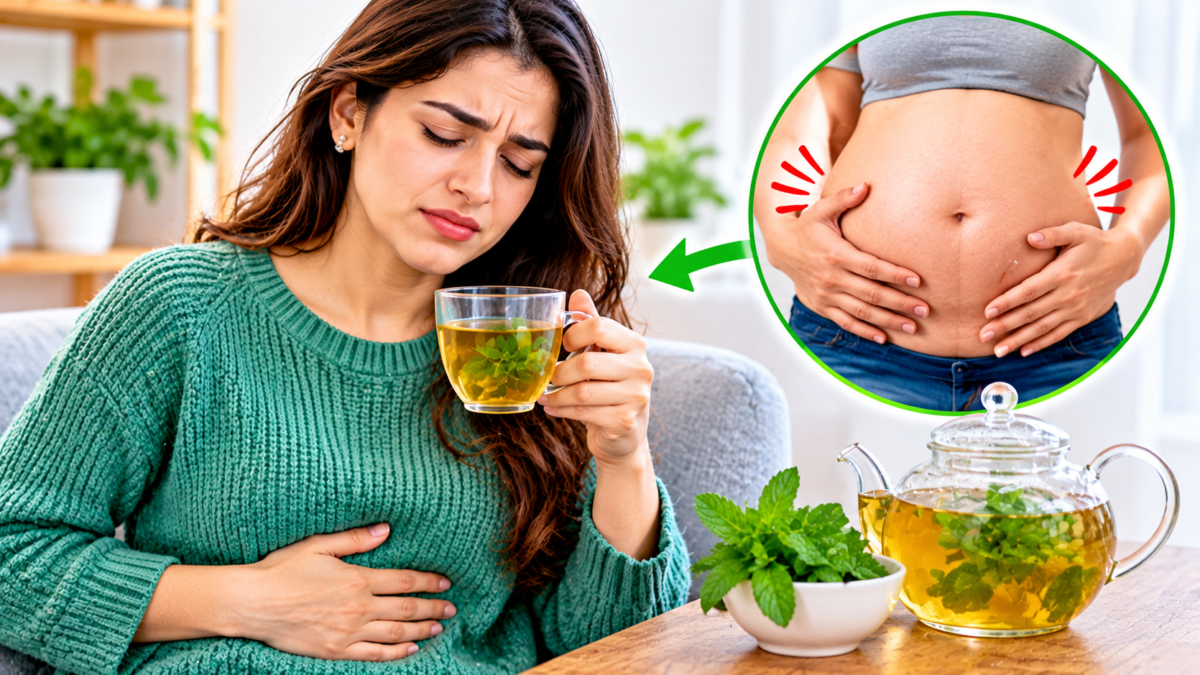
Peppermint helps relax the muscles of the gut, which can help trapped gas pass more easily. A warm cup of peppermint tea after a meal is a simple and soothing habit. Peppermint can make heartburn worse in some people, so skip it if you have acid reflux.
3. Try Ginger
Ginger has been used for digestion for centuries. It may help food move through the stomach more quickly. Try fresh ginger in hot water, ginger tea, or add grated ginger to your cooking.
4. Massage Your Tummy
A gentle tummy massage can help move gas along. Lie on your back and use your fingertips to rub in slow, clockwise circles around your belly button for a few minutes. Clockwise follows the natural direction of your large bowel.
5. Use a Warm Compress
Warmth relaxes the tummy muscles and can ease cramps and discomfort. Place a warm water bottle wrapped in a towel, or a heat pad on a low setting, on your tummy for 15 to 20 minutes.
6. Try Simple Yoga Stretches
Some yoga poses help release trapped gas. Try child’s pose (kneel, sit back on your heels and stretch your arms forward on the floor), or lie on your back and gently hug both knees to your chest. Hold each pose for 30 to 60 seconds while breathing slowly.
7. Eat Slowly and Chew Well
Eating too fast makes you swallow more air and can lead to overeating. Put your fork down between bites, chew each mouthful well and try to make meals last at least 20 minutes. This is one of the simplest long-term answers to how to get rid of bloating.
8. Cut Back on Fizzy Drinks
Swap soda, sparkling water and beer for still water, herbal teas or diluted juice. Also avoid drinking through a straw, which can make you swallow extra air.
9. Avoid Chewing Gum and Sugar-Free Sweets
Chewing gum makes you swallow air, and many sugar-free products contain sugar alcohols that can cause gas and bloating. Check labels for sorbitol, xylitol and mannitol.
10. Increase Fibre Slowly and Drink Water
Fibre helps prevent constipation, a common cause of bloating. But adding a lot of fibre all at once can cause more gas. Increase fibre gradually over a few weeks and drink plenty of water to help it work. If constipation is a problem, see our guide to home remedies for constipation.
11. Eat Smaller, More Regular Meals
Large meals put extra pressure on your digestive system. Try eating smaller portions more often, and avoid lying down straight after eating.
12. Keep a Food Diary
If you often feel bloated, write down what you eat and drink and when you feel bloated for two to three weeks. Patterns often appear, such as bloating after milk, onions, wheat or certain fruits. A food diary is one of the most useful tools for working out how to get rid of bloating for good, and it is very helpful to show your doctor or dietitian.
Foods That Commonly Cause Bloating
These foods are healthy for most people, but they can cause gas in some:
| Food group | Examples | Tip |
|---|---|---|
| Beans and lentils | Baked beans, kidney beans, chickpeas, lentils | Rinse canned beans well and start with small portions |
| Cruciferous vegetables | Cabbage, broccoli, cauliflower, Brussels sprouts | Cook them well and eat smaller amounts |
| Onions and garlic | Raw onion, garlic, leeks | Try garlic-infused oil for flavour without the gas |
| Dairy (if lactose intolerant) | Milk, ice cream, soft cheese | Try lactose-free milk or hard cheeses |
| Some fruits | Apples, pears, mangoes, dried fruit | Eat one portion at a time |
| Wheat (for some people) | Bread, pasta, cereals | Notice if bloating follows wheat-heavy meals |
| Fizzy drinks | Soda, sparkling water, beer | Switch to still drinks |
| Sugar alcohols | Sugar-free gum, sweets and mints | Check labels for words ending in “-itol” |
Do not cut out whole food groups without advice. Many of these foods are very good for your health. A doctor or registered dietitian can help you find which ones are true triggers for you.
Foods and Drinks That May Help Reduce Bloating
- Peppermint and ginger tea: Can help relax the gut and ease gas.
- Water: Helps prevent constipation and supports digestion.
- Yogurt and kefir with live cultures: May support healthy gut bacteria in some people.
- Bananas, oranges and kiwi: Generally gentle fruits that provide fibre and potassium.
- Oats: A gentle source of soluble fibre.
- Cucumber and courgette (zucchini): High in water and usually easy to digest.
- Fennel: Fennel tea or seeds have traditionally been used to ease gas.
Over-the-Counter Options
If natural remedies are not enough, a pharmacist can suggest products that may help, such as:
- Simethicone: Helps break up gas bubbles in the gut.
- Peppermint oil capsules: Have evidence for easing symptoms of IBS, including bloating.
- Lactase tablets: Help people with lactose intolerance digest dairy.
- Gentle laxatives: For bloating caused by constipation, but only for short-term use unless a doctor advises otherwise.
Always read the label and speak to a pharmacist, especially if you are pregnant, breastfeeding, take other medicines or have a health condition.
Bloating Before Your Period
Many women feel bloated in the days before and during their period because of changing hormone levels. To ease period bloating, try eating less salty food, drinking plenty of water, staying active and limiting caffeine and alcohol. If period bloating is severe or comes with very heavy or painful periods, speak to your doctor.
How to Get Rid of Bloating for Good: Prevention Tips
Quick fixes help in the moment, but long-term habits are the real answer to how to get rid of bloating for good:
- Eat slowly, chew well and avoid talking while chewing.
- Eat regular, smaller meals rather than a few large ones.
- Drink still water throughout the day.
- Increase fibre slowly and keep it steady.
- Stay active every day, even with short walks.
- Limit fizzy drinks, chewing gum and sugar-free sweets.
- Reduce salty and highly processed foods.
- Manage stress, as stress can affect your gut.
- Get enough sleep, as poor sleep can upset digestion.
Common Myths About Bloating
Myth 1: “Bloating means you have put on weight.”
Bloating is usually caused by gas or fluid, not fat. It often goes down within hours or a day.
Myth 2: “Everyone should cut out gluten to stop bloating.”
Only people with coeliac disease or a true gluten sensitivity need to avoid gluten. If you think gluten is a problem, see a doctor before cutting it out, because you need to be eating gluten for a coeliac test to be accurate.
Myth 3: “Detox teas get rid of bloating.”
Many detox teas contain laxatives, which can cause cramps and dehydration. Simple habits like eating slowly, walking and drinking water are safer and more effective.
Myth 4: “Bloating is always caused by food.”
Food is a common cause, but constipation, hormones, stress, swallowed air and some health conditions can also cause bloating.
When to See a Doctor
Most bloating is harmless, but speak to a doctor if you have:
- Bloating that happens most days for three weeks or more
- Bloating that does not go away or keeps getting worse
- Unexplained weight loss
- Blood in your stool or black, tarry stools
- A change in your bowel habits that lasts several weeks
- Feeling full very quickly or loss of appetite
- Bloating with vaginal bleeding outside your normal periods or after the menopause
- Ongoing tiredness, nausea or vomiting
Persistent bloating can occasionally be a sign of a more serious condition, so it is always worth getting checked if it does not go away.
Get Urgent Medical Help if You:
- Have severe or sudden tummy pain
- Are vomiting and cannot pass stool or gas
- Have a high fever with tummy pain
- Have blood in your vomit or a lot of blood in your stool
In an emergency, call 911 (US and Canada) or 999 (UK), or go to your nearest emergency department.
Frequently Asked Questions
How to get rid of bloating in 5 minutes?
There is no instant cure, but a short walk, gentle clockwise tummy massage, a warm compress or the knees-to-chest stretch can bring relief within minutes for many people.
What drink helps with bloating?
Still water, peppermint tea, ginger tea and fennel tea are good choices. Avoid fizzy drinks and alcohol when you feel bloated.
How long does bloating last?
Most bloating caused by food or swallowed air goes away within a few hours to a day. If bloating lasts for weeks, see a doctor.
Why do I feel bloated every day?
Daily bloating may be linked to your eating habits, constipation, a food intolerance or a condition such as IBS. Keep a food diary and speak to your doctor if it happens most days.
Does drinking water help bloating?
Yes. Drinking enough water helps prevent constipation and can reduce water retention caused by salty foods, both of which can ease bloating.
Can probiotics help with bloating?
Some people find probiotics helpful, but results vary and research is mixed. If you try one, give it about four weeks and stop if it does not help.
Final Thoughts
Bloating is uncomfortable, but it is usually easy to manage. Now you know how to get rid of bloating fast with a short walk, peppermint or ginger tea, gentle massage and warmth, and how to prevent it with slower eating, fewer fizzy drinks, steady fibre and plenty of water. Keep a food diary to find your triggers, and see a doctor if bloating lasts for weeks or comes with other worrying symptoms. With a few small changes, you can feel lighter and more comfortable every day.
Medical disclaimer: This article is for general information only and is not a substitute for professional medical advice. Always speak to your doctor or pharmacist if you are worried about your symptoms, especially if you are pregnant, take medicines or have a health condition.